
Do you really need an interior designer? You might if any of these sound familiar.
Maybe you've spent years buying furniture that never quite works together. Maybe you're ready to renovate but feel overwhelmed by the decisions ahead. Or maybe your home simply doesn't reflect your style or support the way your family lives today.
You don't have to know exactly what's missing or have every detail figured out before getting started. That's where an interior designer comes in.
Which of these five sounds most like you?

Your Home Still Doesn’t Feel Finished
You've painted the walls, purchased the furniture, hung the artwork and added a few accessories. Yet something still feels off.
Perhaps the furniture doesn't quite work together, the proportions feel unbalanced, or the rooms lack the sense of cohesion you envisioned. You may even have a collection of beautiful individual pieces that somehow don't create the overall look you want.
This is one of the most common reasons homeowners seek professional design help.
An interior designer looks at the bigger picture. That includes how furniture is arranged, how colors and materials relate to one another, how lighting affects a space and how each room connects to the rest of the home. Sometimes, a few well-considered changes can make a meaningful difference. Other times, the solution involves rethinking the layout or replacing pieces that aren't serving the space.
The goal isn't simply to add more. It's to help everything work together.
2. You’re Overwhelmed by the Choices
Updating a home can involve more decisions than most people expect.
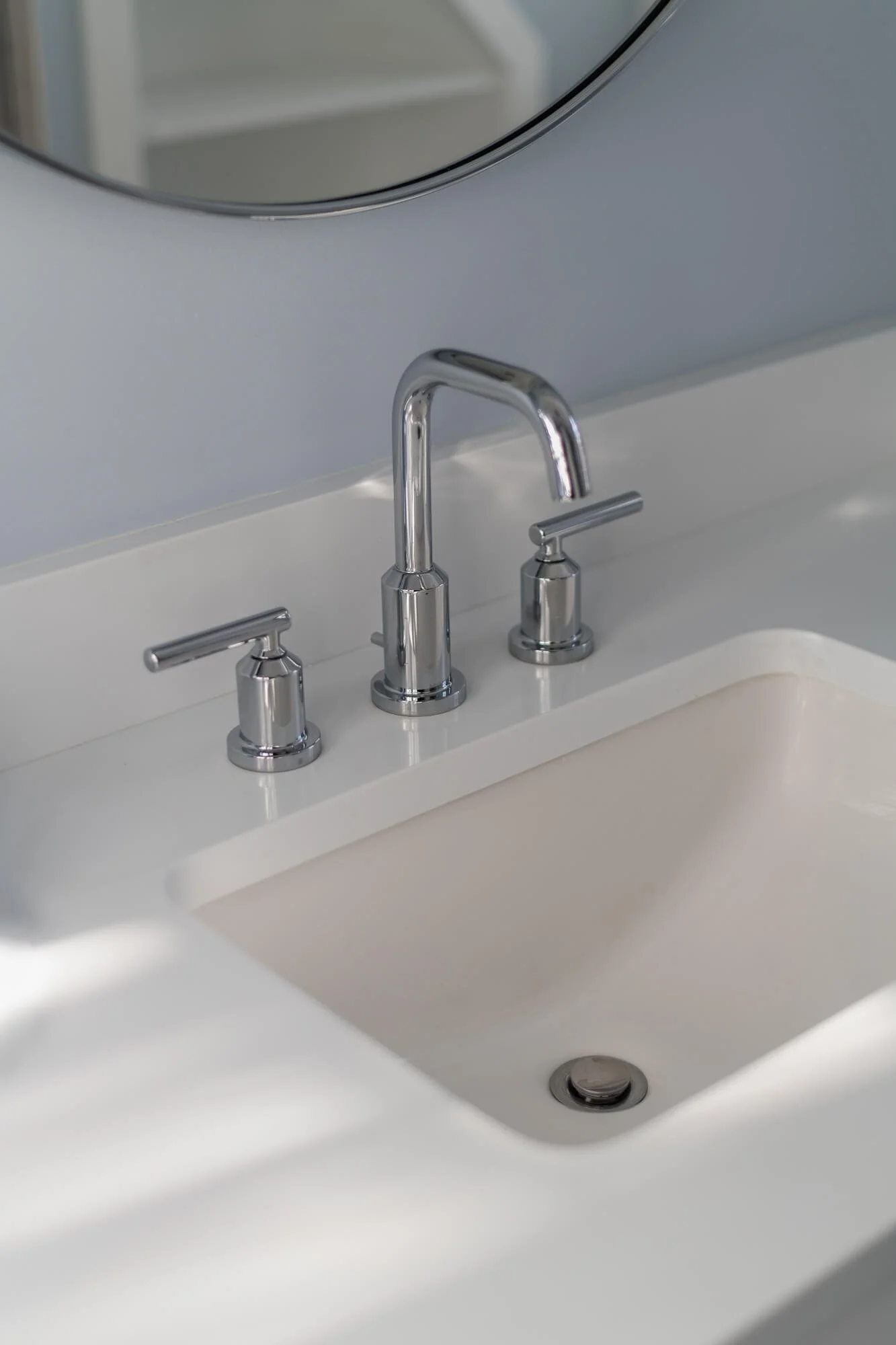
Which paint color works best with your flooring? Should the kitchen cabinetry be painted or stained? How do you choose tile, countertops, lighting, hardware and plumbing fixtures that complement one another? And how can you be confident those selections will look as good together in real life as they do individually?
When every decision seems to lead to ten more, it's easy to lose momentum.
An interior designer helps establish a clear direction before you commit to individual selections. By considering the overall palette, materials, finishes and style of your home, your designer can narrow the options and help you make decisions that support the larger vision.
This can be especially valuable during a kitchen, bathroom or whole-home renovation, when many choices need to work together and decisions often affect one another.
Having a plan also helps you feel more confident about where you're investing your time and budget.

3. Your Home Doesn’t Work for You
A home can look beautiful and still be difficult to live in.
Maybe your living room doesn't have enough comfortable seating, your kitchen lacks the storage you need, or your first floor doesn't flow well for everyday family life. Perhaps your needs have changed over the years, but your home hasn't kept up.
These challenges aren't always solved by buying new furniture or rearranging what you already own. Sometimes, the answer lies in better space planning. In other cases, it may require a more substantial renovation.
An interior designer considers how you use your home, where the frustrations occur and what changes would make daily life easier. That might mean reworking a furniture layout, improving storage, changing the use of an underutilized room or exploring a new floor plan.
The right solution depends on your home, your priorities and the way you live.
Good design should support your everyday life, not just look good in photographs.

4. You’re Spending Money Without Getting the Result You Want
Have you ever purchased a rug that looked perfect online but felt too small once it arrived? Or chosen a paint color that seemed right in the store but looked completely different on your walls?
Individual purchases can add up quickly, especially when you're trying to solve design challenges one at a time.
Without a clear plan, you may end up replacing items that don't work, making selections that clash with existing finishes or spending money on updates that don't address the underlying problem.
Working with an interior designer can help you approach those decisions more strategically. Instead of selecting each item in isolation, you can consider how the pieces will work together, what needs to be prioritized and where your budget will have the greatest impact.
That doesn't mean every room needs to be completely redesigned or every item replaced. A designer can help identify what is worth keeping, what could be improved and where a new investment would make the most difference.
The result is a more cohesive approach to your home, with decisions guided by a shared vision rather than a series of disconnected purchases.

5. You Don’t Have Time to Manage a Renovation
A renovation can be exciting, but the number of moving parts can quickly become overwhelming.
Beyond the initial design, there are materials to select, contractors to coordinate, measurements to confirm, products to order and deliveries to manage. Decisions often need to be made in a particular sequence, and delays or changes can affect other parts of the project.
If you have a busy schedule, managing all of those details alongside work and family life can be a significant undertaking.
A full-service interior design studio can help guide the process, from developing the design direction and selecting finishes to coordinating the details that carry the project forward. Depending on the scope of the engagement, your designer can work alongside contractors and other professionals to help keep design decisions aligned with the overall plan.
For homeowners planning a kitchen renovation, bathroom update or larger home transformation, having a design professional involved early can help bring clarity to the process before construction begins.

Do You Need an Interior Designer or Is It Time for a Renovation?
Not every design challenge requires a major renovation. Some homes benefit from better furniture placement, updated lighting or a more cohesive selection of furnishings and finishes. Others need more significant changes to improve their layout, storage or functionality.
The first step is understanding what's not working and what you want your home to do differently.
If you love your neighborhood and the location of your home but find yourself wishing the interiors worked better, it may be worth exploring what's possible before deciding on your next move. Depending on your home's condition, layout and your goals, a renovation or design update may help you make better use of the space you already have.
An interior designer can help you assess the opportunities, establish priorities and determine what kind of project makes sense for your needs.